Some television tears are carefully rehearsed.
An actor studies the scene, prepares for the emotional moment, and delivers the sadness required by the script. When the director calls “cut,” the performance ends, the cameras reset, and everyone prepares for the next take.
But sometimes a scene reaches far beyond acting.
For Shaun Johnston, the man behind Jack Bartlett on Heartland, saying goodbye to Jack’s beloved horse became one of those moments. The emotion viewers saw did not feel polished or exaggerated. It carried the unmistakable weight of a genuine farewell.
That honesty is one reason the scene remains so powerful.
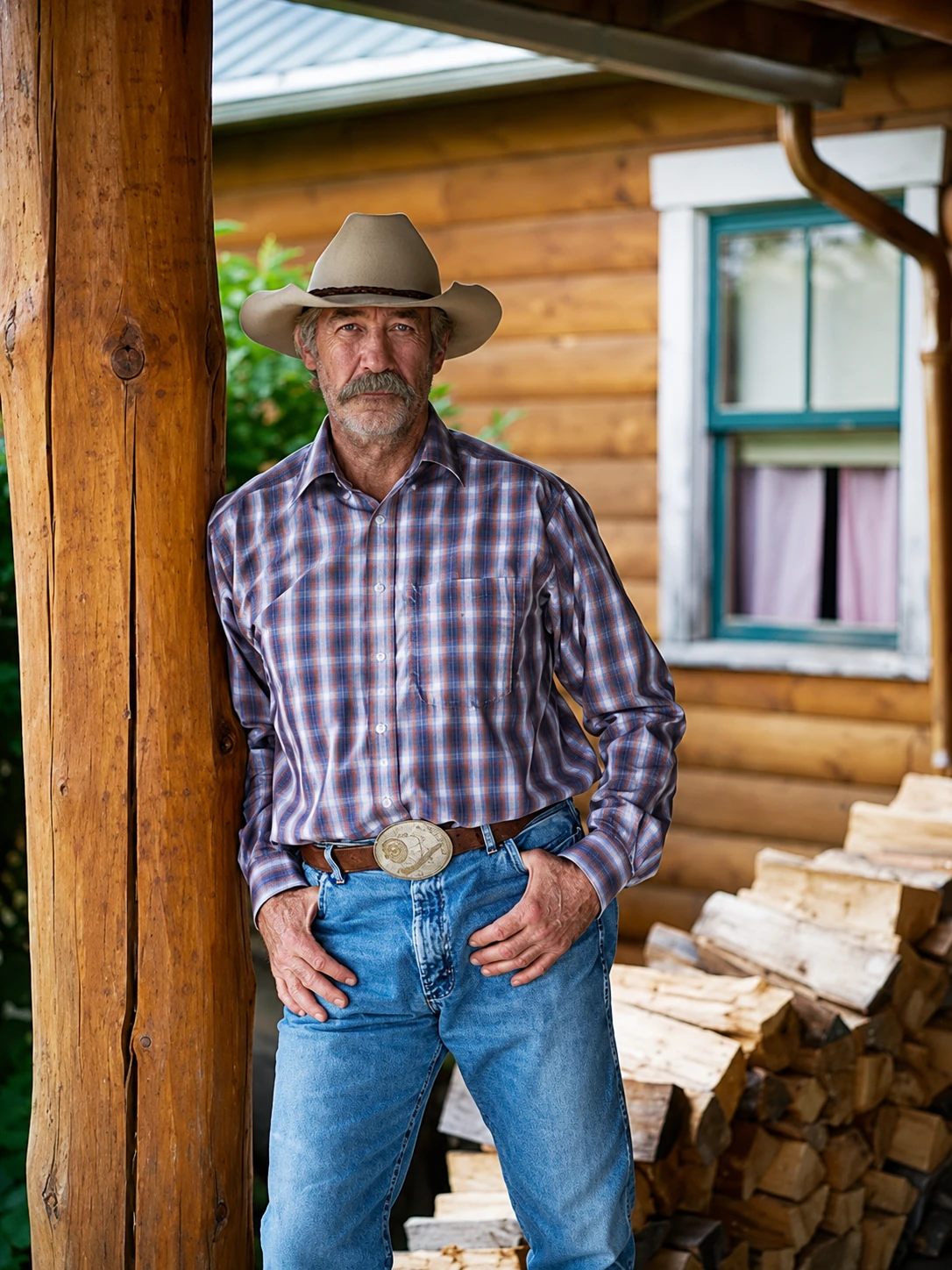
Jack has always been presented as one of the strongest people at Heartland Ranch. He works through hardship without seeking attention, protects his family without expecting praise, and often hides his deepest emotions behind practical advice or dry humor.
He is the man others depend on when everything begins to fall apart.
Yet his relationship with his horse revealed another side of him.
A trusted horse is never merely an animal standing in the background of ranch life. It becomes a companion through changing seasons, exhausting workdays, family celebrations, and quiet moments no one else witnesses.
The relationship grows through repetition: saddling up before sunrise, crossing familiar fields, completing difficult work, and returning safely home.
There may be no spoken conversation, but the trust is real.
When Jack was forced to say goodbye, viewers were not only watching the loss of a horse. They were watching a man confront time, memory, and the painful reality that even the most dependable parts of life cannot remain forever.
Shaun understood that emotional truth.
After years of working within the Heartland world, he knew what the horse represented to Jack and to the audience. The farewell carried the accumulated history of the character, the ranch, and the bond fans had watched grow across the seasons.
That is why the emotion could not simply be manufactured.
The scene became a reminder that grief does not weaken a strong person. It reveals how deeply they were capable of loving.
Shaun Johnston’s road to becoming the face of Canadian ranch wisdom was far less predictable than viewers might expect.
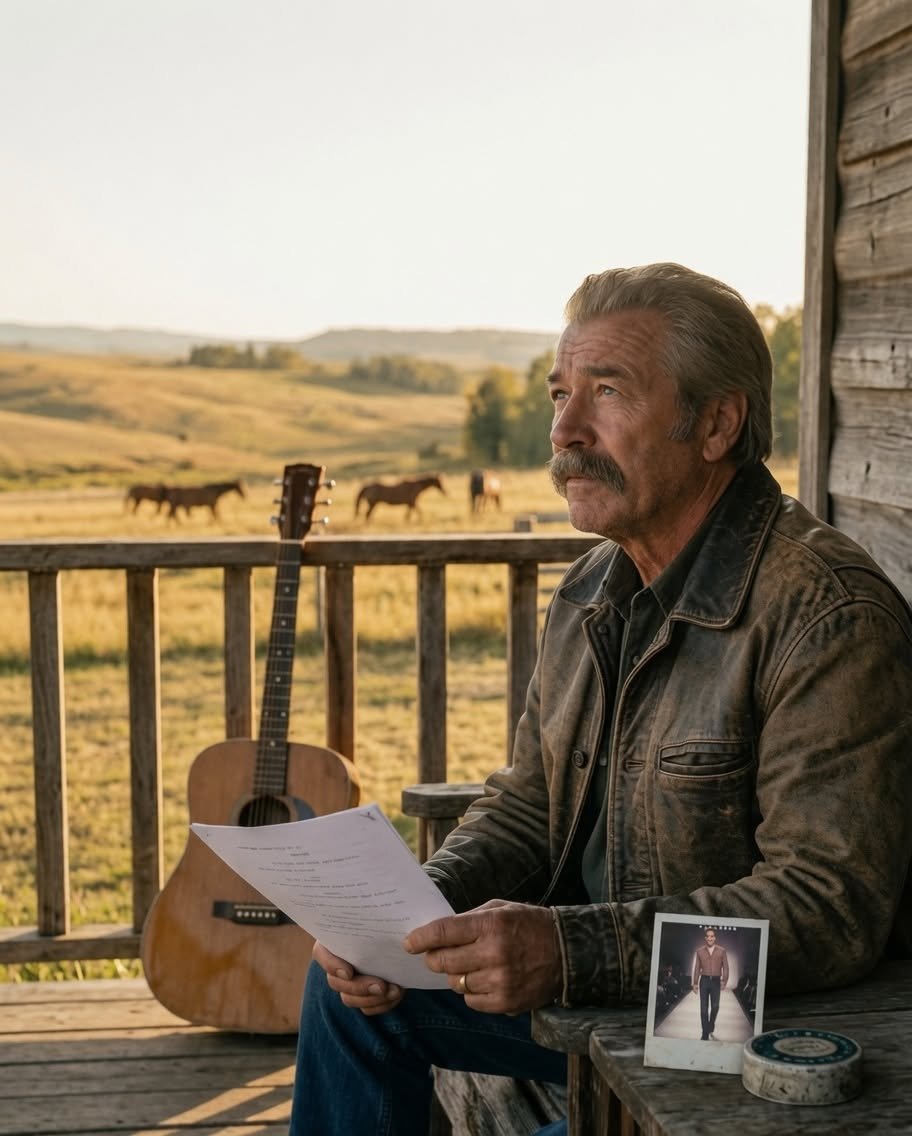
Long before the boots, denim shirts, and weathered hat of Jack Bartlett, Shaun spent part of his younger years in a completely different environment. He worked as a model in Toronto, walking runways and earning money in a world shaped by fashion, appearance, and city life.
It is difficult to imagine a greater contrast.
Today, audiences associate him with wooden fences, open fields, horses, family dinners, and the steady rhythm of rural living. But earlier in life, he was navigating a profession where image and presentation mattered in an entirely different way.
That surprising chapter makes his later success even more interesting.
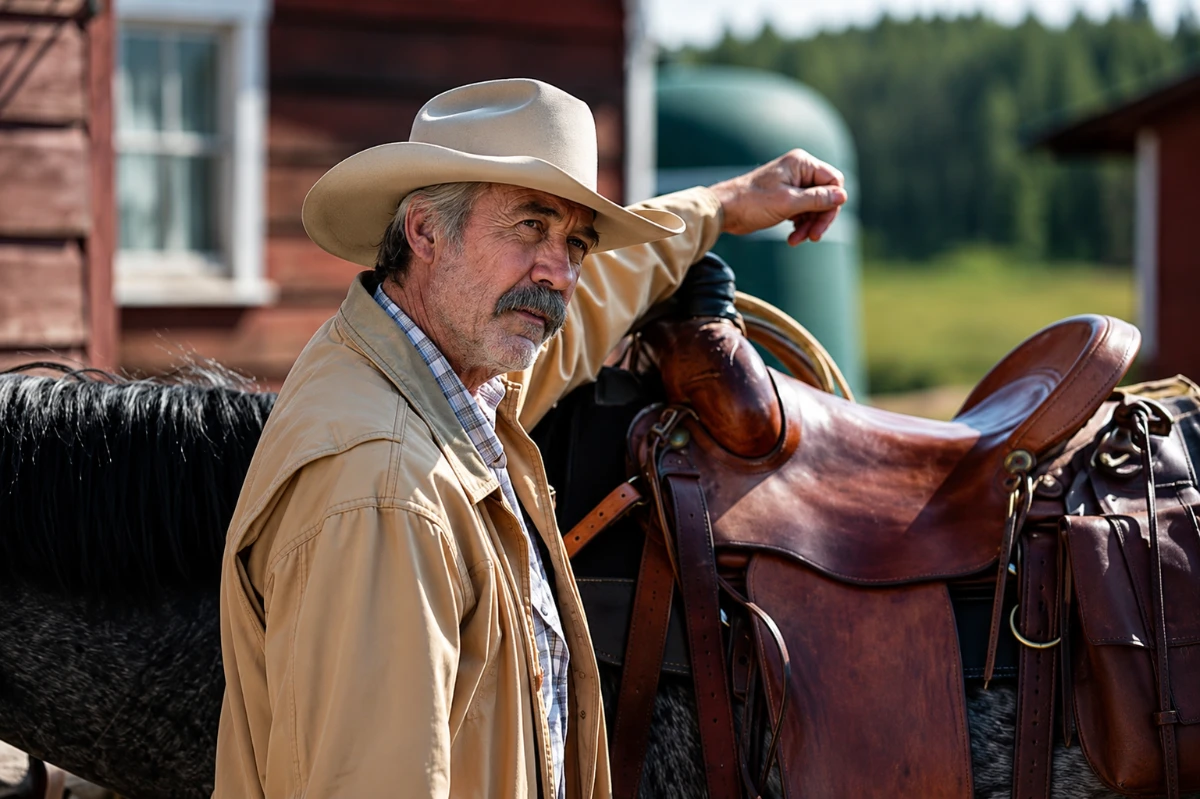
Shaun did not follow one perfectly planned path toward Heartland. His life included changes, risks, and unexpected directions before he found the role that would define a major part of his career.
In that sense, his journey reflects one of the series’ most enduring lessons: beginnings do not always reveal where someone truly belongs.
A person can change careers, discover new abilities, and build a meaningful life far from the future they once imagined.
When Shaun eventually became Jack Bartlett, he brought more than acting experience to the character.
He brought maturity.
Jack’s wisdom does not feel like a collection of clever lines written for a television grandfather. It feels earned through loss, regret, hard work, and years spent carrying responsibility.
Shaun understands how to show that history without explaining it constantly.
A pause before answering can reveal Jack’s concern.
A glance across the kitchen table can communicate disappointment, affection, or fear.
A quiet moment beside the barn can carry more emotional weight than a dramatic speech.
That restraint is one of Shaun’s greatest strengths.
He does not make Jack larger than life. He makes him recognizable.
Viewers see a man who can be stubborn and loving at the same time. Jack may resist change, criticize a decision, or struggle to express his feelings directly, but his family rarely doubts that he will be there when they need him.
His love appears through work.
He repairs what is broken.
He protects the ranch.
He gives someone another chance.
He stays.
Shaun has also portrayed aging in a way television does not always allow.
Much of the entertainment industry is obsessed with preserving youth. Performers are often expected to conceal every sign of time, as though growing older represents a loss of value.
Jack Bartlett offers a very different image.
His age is not something the story tries to hide. It is part of his strength, his vulnerability, and his place within the family.
Jack becomes tired.
He faces loss.
He must accept that younger generations will make decisions he cannot control. He occasionally wonders whether the traditions he protected will survive after him.
But aging does not make him irrelevant.
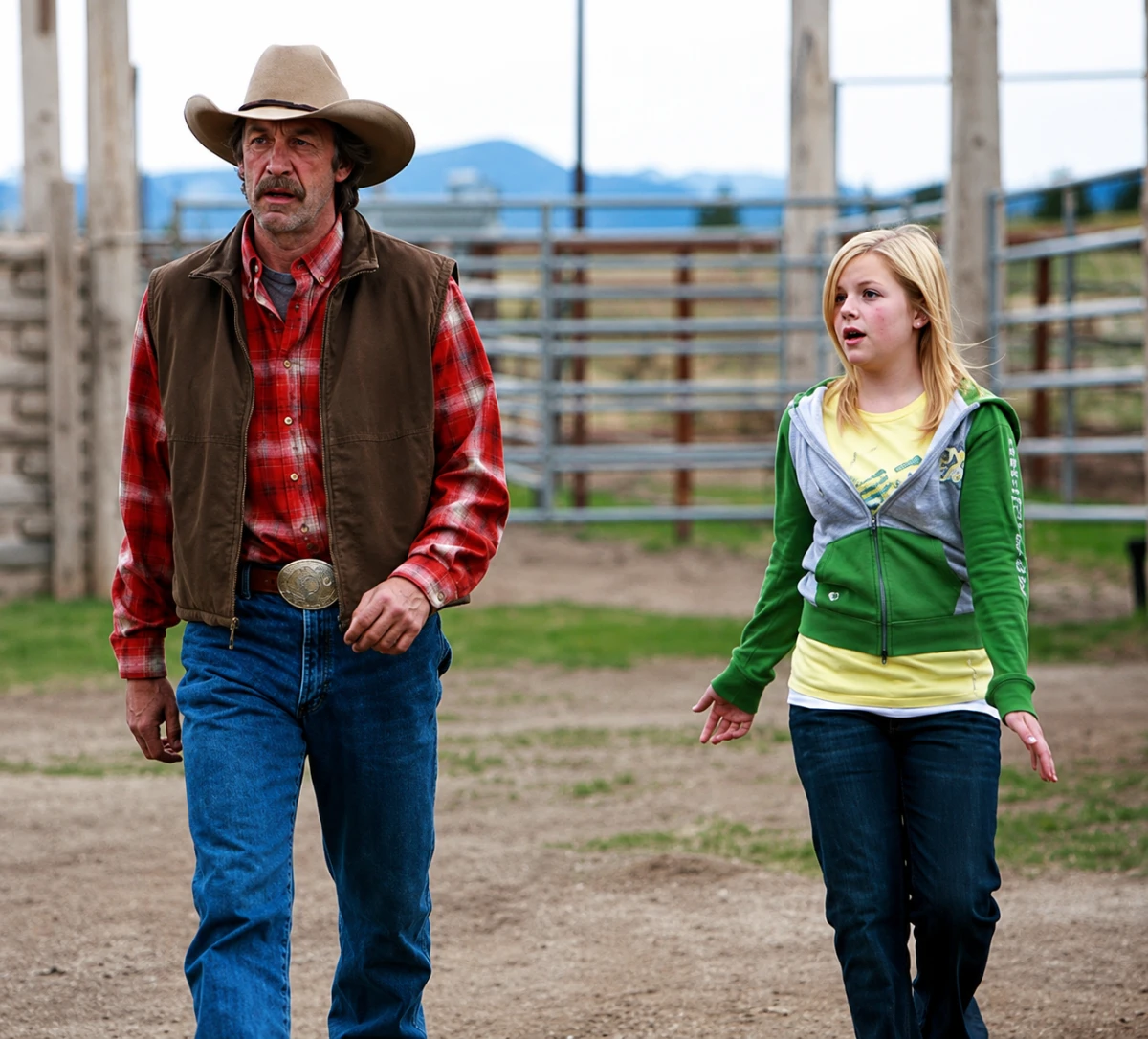
It gives his presence greater meaning.
Through Jack, viewers see that strength can change form. It may no longer look like being the fastest rider or doing every physical task alone. It can mean knowing when to offer advice, when to remain silent, and when to allow someone else to take responsibility.
It can mean accepting help without surrendering dignity.
It can also mean continuing to love despite knowing that every meaningful bond carries the possibility of another goodbye.
That is what made the farewell to his horse so unforgettable.
The scene brought together everything Shaun has given Jack over the years: toughness, tenderness, loyalty, memory, and the quiet sadness of a man who has lived long enough to understand that nothing precious lasts forever.
The tears did not diminish Jack Bartlett.
They completed him.
Shaun Johnston’s remarkable journey—from Toronto runways to one of Canadian television’s most beloved ranchers—proves that the most important roles are not always the ones anyone expects at the beginning.
He found a character who allowed him to portray family, aging, grief, humor, and love with rare sincerity.
And in one heartbreaking goodbye, he reminded viewers why Jack remains the soul of Heartland Ranch.
Which Jack Bartlett scene has stayed with you the longest: his farewell to his trusted horse, one of his quiet conversations with Amy, or a family moment when his wisdom held everyone together?