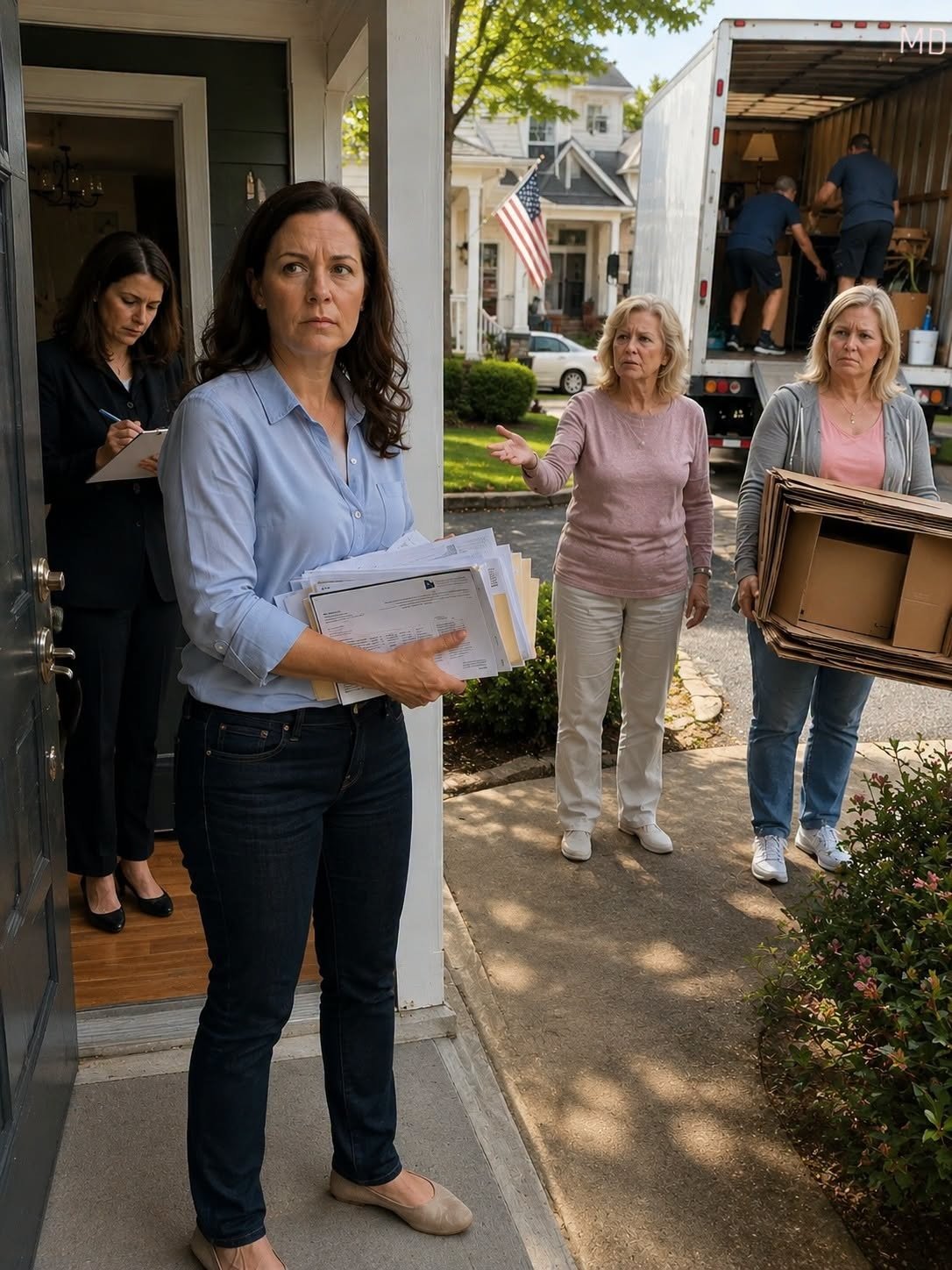
The movers arrived at my beach house in Emerald Isle, North Carolina, before my family even bothered to ask if they were welcome. I stood in my kitchen overlooking the Atlantic, reading my sister Kristen’s message telling me to “clear out” because her family was moving in for the weekend. My parents, Joyce and Dennis Williams, had convinced themselves that my four-bedroom home was wasted on me because I lived alone. They had no idea the two freshly painted rooms down the hallway were not for guests, but for two children whose lives were about to change forever. I had spent eleven years working as a nurse, saving money, and investing in a future I built without anyone’s permission. But my family only saw an unmarried woman with extra space they believed they could claim.
For years, their expectations had been the same. When Kristen needed help with her car, I gave her $9,000, yet my mother told relatives that she and my father had rescued her. When my parents stayed in my condo for four months, they acted as if they had a permanent right to access my home. After Kristen secretly visited my beach property and said she was “checking what we’re working with,” I changed the locks. Still, they believed a boundary was something they could ignore. Then Kristen announced that a moving truck would arrive at ten o’clock, exactly when a county worker was scheduled to visit my home—and they had no idea who else would already be standing inside waiting for them…
The reason I bought that house had nothing to do with luxury or extra bedrooms. Months earlier, my cousin Amanda had passed away, leaving behind her two children, Lily and Owen. Their future became uncertain, and I decided to apply for kinship placement so they could have a permanent home. The process included background checks, interviews, financial reviews, and home inspections. I prepared everything carefully, from the children’s rooms to their medical needs. I also gave the county caseworker documentation showing that years earlier my mother had interfered when I tried to help Amanda as a teenager. When Joyce, Dennis, Kristen, and the movers walked through my door, they expected an empty room waiting for them. Instead, they found a county caseworker, a completed evaluation, and a truth they could no longer avoid.
Diane Prescott, the county worker, calmly explained that the house was being reviewed as a potential placement home for two children, not being emptied for Kristen’s family. My mother was stunned when she learned the bedrooms belonged to Lily and Owen. She questioned why nobody had told her, but I reminded her that years ago Amanda had been placed in foster care after Joyce’s statements influenced the county’s decision. I explained that this time I had protected the truth with documentation, not family promises. Diane recorded what happened during the visit, and I later reviewed the situation with an attorney to make sure my rights were protected. I also organized my insurance, savings, and long-term investment plans so the children would have stability. Although there was no mortgage involved, I treated their future like an estate decision that required careful planning, not emotional arguments that could end up in court.
The moving truck left that morning with nothing taken from my home. In the weeks that followed, my family had to face the consequences of years of assuming my generosity meant ownership over my choices. The placement process continued, and eventually Lily and Owen came home to the rooms I had prepared for them. The wooden signs on their doors were no longer just decorations waiting for a future—they represented a place where they belonged. My relationship with my family did not magically become perfect, but some conversations finally happened that had been avoided for years. I learned that protecting my home was never about shutting people out. It was about making sure the people who entered understood that love and respect had to come together.